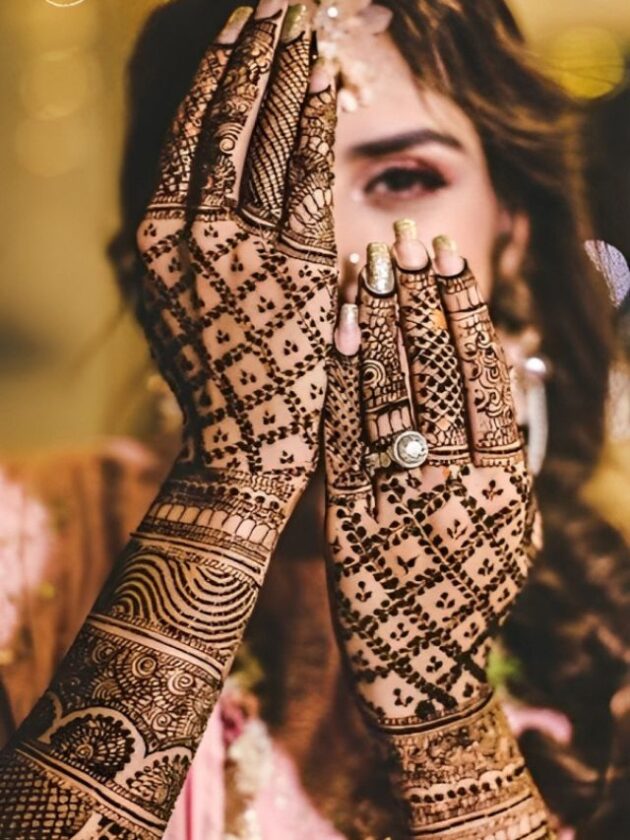
The art of mehndi, or henna application, has a rich and storied history that dates back thousands of years. Originating in ancient Egypt, the use of henna for body art spread across the Middle East, North Africa, and eventually to the Indian subcontinent. Jali mehndi designs, characterized by their intricate lattice patterns, emerged as a distinct style within this broader tradition.
The term “jali” refers to a type of decorative latticework commonly found in Indian architecture, particularly in Mughal structures. This architectural influence is evident in the delicate and interwoven patterns that define jali mehndi. As the art form evolved, jali designs became synonymous with celebrations and significant life events, particularly weddings.
In India, the application of mehndi is an integral part of bridal preparations, symbolizing joy and auspiciousness. The intricate patterns are not merely decorative; they are imbued with cultural significance and are often believed to bring good fortune to the wearer. Over time, jali mehndi has transcended its traditional roots, adapting to contemporary aesthetics while retaining its historical essence.
Key Takeaways
- Jali Mehndi designs have a rich history dating back to ancient India, where they were used to adorn the hands and feet of women during special occasions and celebrations.
- Creating Jali Mehndi designs requires a skilled and intricate technique, involving the use of fine lines and patterns to create a latticed or net-like effect on the skin.
- Jali Mehndi’s designs are often symbolic, with different patterns and motifs representing various aspects of nature, spirituality, and cultural traditions.
- Jali Mehndi designs have gained popularity in various cultures around the world, with each culture incorporating its unique elements and symbolism into the designs.
- When choosing a Jali Mehndi design for different occasions, it’s important to consider the significance of the event and the cultural context, as well as personal preferences and style.

The Intricate Technique of Creating Jali Mehndi Designs
Creating jali mehndi designs requires a high level of skill and precision. The process begins with selecting high-quality henna paste, which is made from the leaves of the Lawsonia inermis plant. The leaves are dried, ground into a fine powder, and mixed with water, lemon juice, and essential oils to create a smooth paste.
The consistency of the paste is crucial; it must be thick enough to hold its shape but fluid enough to allow for intricate detailing. The application technique is equally important. Artists typically use a cone or a fine-tipped applicator to draw the designs on the skin.

Jali designs often feature a combination of fine lines and larger motifs, creating a sense of depth and complexity. The artist must have a steady hand and an eye for detail to ensure that the patterns flow seamlessly into one another. This meticulous process can take several hours, especially for larger pieces that cover significant areas of the body, such as hands and feet.
The Symbolism and Meaning Behind Jali Mehndi Designs
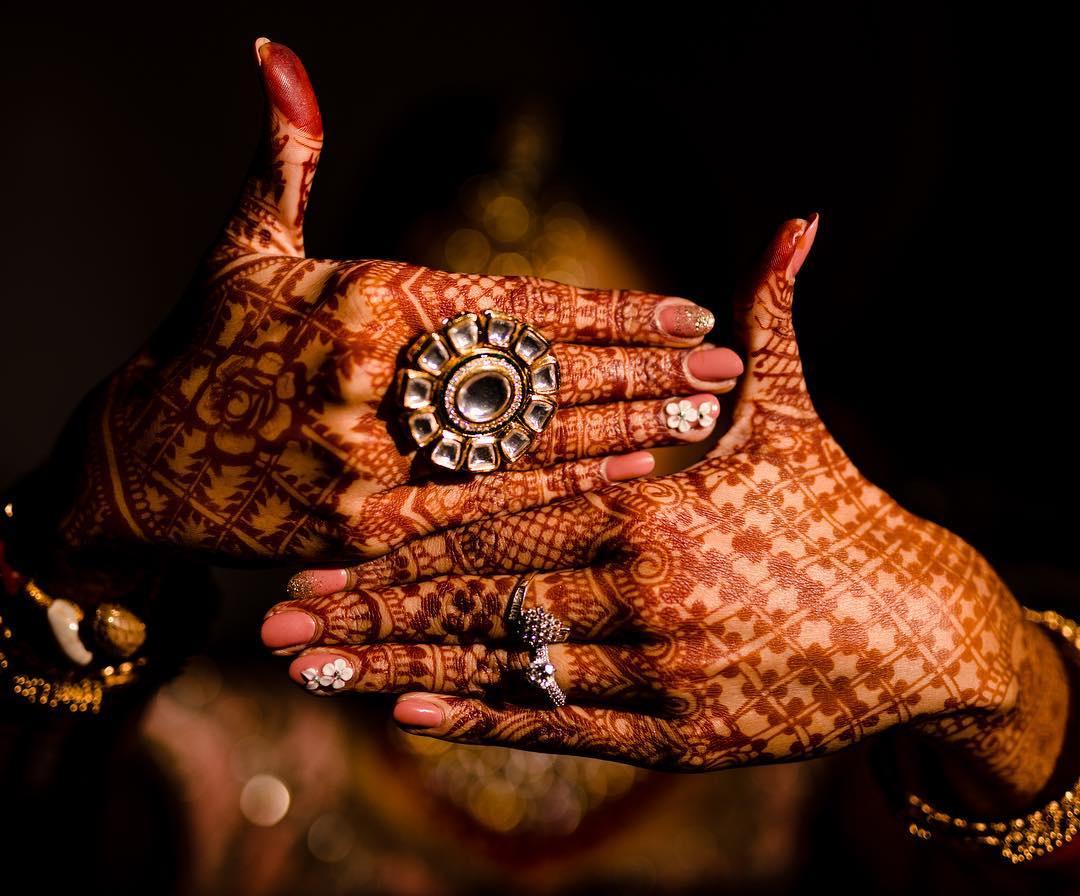
Jali Mehndi’s designs carry profound symbolism that resonates deeply within various cultures. The intricate patterns often represent interconnectedness and unity, reflecting the idea that life is a tapestry woven from many threads. In many cultures, these designs are believed to symbolize fertility, prosperity, and protection from negative energies.
The use of henna itself is often associated with celebration and joy, making jali mehndi an essential element in festive occasions. Moreover, specific motifs within jali designs can hold particular meanings. For instance, floral patterns may symbolize beauty and growth, while geometric shapes can represent stability and balance.
In bridal contexts, the complexity of the design is often seen as a reflection of the bride’s beauty and grace. The longer the mehndi lasts on the skin, the more auspicious it is considered for the marriage, as it signifies the depth of love and commitment between partners.

The Popularity of Jali Mehndi Designs in Different Cultures
| Culture | The popularity of Jali Mehndi Designs |
|---|---|
| Indian | High |
| Pakistani | High |
| Arabian | Medium |
| African | Low |
While jali mehndi designs are most commonly associated with South Asian cultures, their popularity has spread globally due to cultural exchange and the increasing appreciation for traditional art forms. In countries like Pakistan and India, jali mehndi is a staple at weddings and festivals such as Eid and Diwali. The designs have also gained traction in Western countries, where they are often embraced by individuals seeking unique body art that carries cultural significance.
In addition to weddings, jali mehndi has found its place in various cultural celebrations around the world. For example, in Middle Eastern countries, henna is applied during special occasions like childbirth or religious festivals. The intricate designs serve not only as adornment but also as a means of expressing cultural identity.
As globalization continues to influence artistic practices, jali mehndi designs are increasingly being incorporated into modern fashion and beauty trends, further solidifying their place in diverse cultural contexts.
Tips for Choosing the Right Jali Mehndi Design for Different Occasions
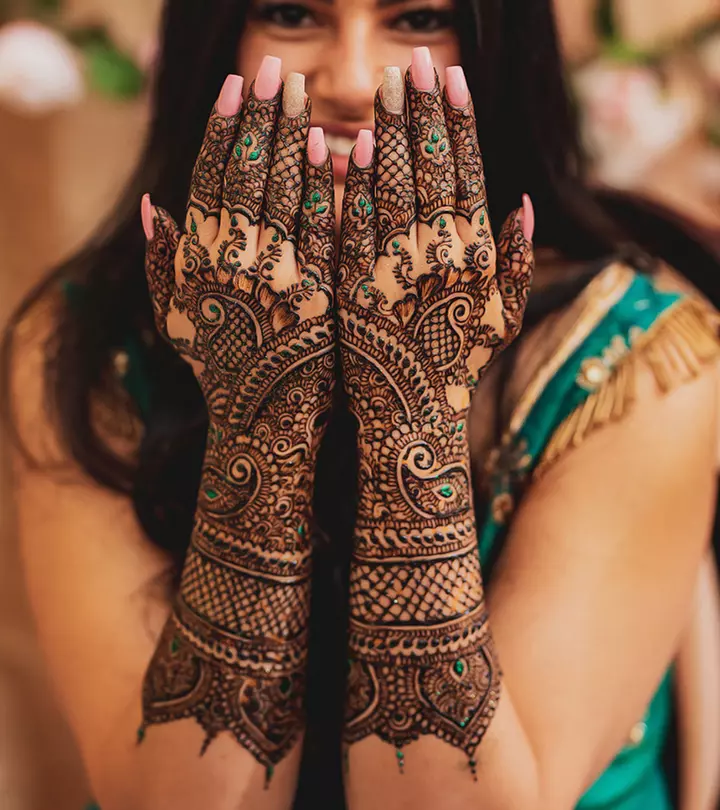
Selecting the perfect jali mehndi design can be a delightful yet daunting task, especially given the vast array of options available. For weddings, brides often opt for elaborate designs that cover their hands and feet extensively. These designs typically feature intricate jali patterns interspersed with larger motifs like peacocks or mandalas, symbolizing beauty and elegance on their special day.
It’s essential for brides to consider their personal style and the overall theme of their wedding when choosing a design. For more casual occasions such as festivals or family gatherings, simpler jali designs may be more appropriate. These can include smaller motifs or less dense patterns that still capture the essence of jali artistry without overwhelming the wearer.
Additionally, individuals should consider their skin tone when selecting henna shades; darker hues tend to stand out beautifully against lighter skin tones while lighter shades can create a subtle elegance on darker skin. Ultimately, choosing a design should reflect personal taste while also considering the significance of the occasion.
The Evolution of Jali Mehndi Designs in Modern Times
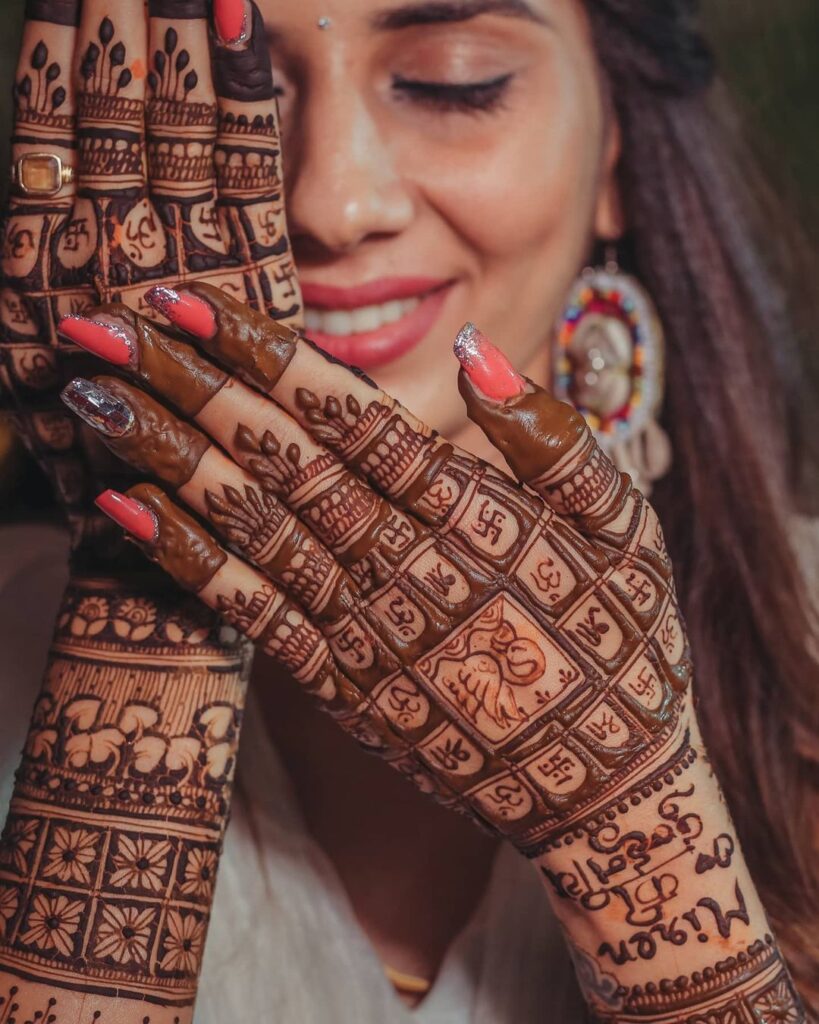
In recent years, jali mehndi designs have undergone significant evolution as artists experiment with new styles and techniques. Traditional patterns are being reimagined through contemporary interpretations that incorporate modern aesthetics while still honoring their historical roots. This fusion has led to innovative designs that blend jali motifs with other artistic influences such as geometric shapes or abstract art.
Moreover, advancements in henna application techniques have allowed for greater creativity in design execution. Artists now utilize tools like airbrushes alongside traditional cones to create intricate patterns with precision and speed. This has made it possible to cater to a wider audience who may prefer quicker application times without compromising on detail or quality.
As social media platforms continue to showcase these evolving styles, Jali Mehndi has gained recognition beyond cultural boundaries, inspiring artists worldwide to explore this beautiful form of body art.
The Role of Jali Mehndi Designs in Bridal and Wedding Traditions
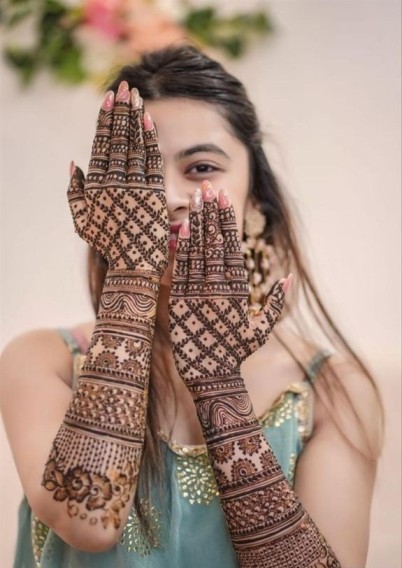
In bridal traditions across South Asia, jali mehndi holds a place of honor as an essential component of wedding festivities. The application of mehndi is often part of pre-wedding rituals such as the mehndi ceremony, where family and friends gather to celebrate the bride-to-be. During this event, intricate jali designs are applied not only to adorn the bride but also to symbolize her transition into married life.
The process is imbued with joy and camaraderie as loved ones come together to share in this significant moment. The significance of jali mehndi extends beyond mere decoration; it is believed that the depth and intricacy of the design reflect the bride’s relationship with her partner. In many cultures, it is said that if the groom’s name is hidden within the mehndi design, he will be unable to forget his bride throughout their marriage.
This belief adds a layer of meaning to the art form, making it an integral part of wedding traditions that celebrate love and commitment.
The Future of Jali Mehndi Design: Trends and Innovations
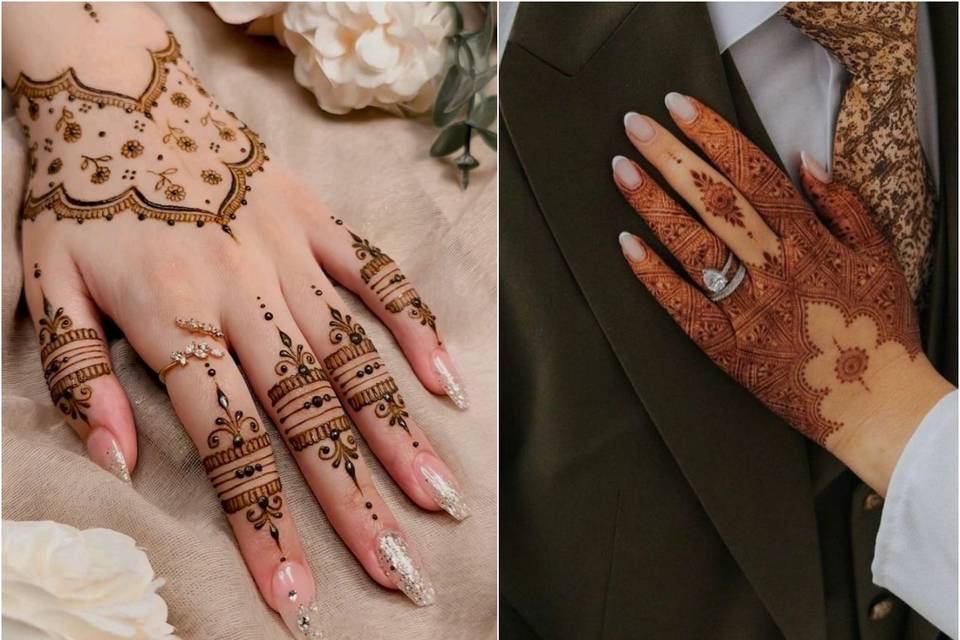
As we look toward the future of jali mehndi design, several trends and innovations are emerging that promise to shape its evolution further. One notable trend is the increasing incorporation of non-traditional materials into henna art. Artists are experimenting with glitter, metallic paints, and even temporary tattoos that mimic jali designs while offering a different aesthetic experience.
This fusion allows for greater versatility in how jali mehndi can be expressed across various occasions. Additionally, technology is playing a role in transforming how Jali Mehndi is created and shared. Digital platforms enable artists to showcase their work globally while also providing clients with virtual consultations to select designs tailored to their preferences.

As awareness grows about sustainable practices within body art, there is also a movement towards using organic henna products free from harmful chemicals. This shift not only aligns with contemporary values but also ensures that traditional practices remain relevant in an ever-changing world. The future of Jali Mehndi’s design appears bright as it continues to adapt while retaining its cultural significance.
With each new generation embracing this beautiful art form, there is no doubt that jali mehndi will remain a cherished tradition for years to come.
FAQs
What is a Jali Mehndi design?
A jail mehndi design is a type of intricate henna design that features delicate patterns resembling a lattice or net. It is often characterized by its detailed and symmetrical patterns, creating a beautiful and elegant look on the skin.
How is a Jali Mehndi design created?
A jail mehndi design is created using a cone or applicator filled with henna paste. The artist carefully applies the henna in a series of intricate patterns, often using geometric shapes and floral motifs to create the illusion of a net or lattice on the skin.
Where is Jali Mehndi’s design commonly applied?
Jali mehndi designs are commonly applied on the hands and feet, although they can also be applied to other parts of the body. They are often seen at weddings, festivals, and other special occasions in South Asian and Middle Eastern cultures.
How long does a Jali Mehndi design last?
The longevity of a jali mehndi design depends on various factors such as the quality of the henna paste, the application technique, and how well it is cared for. Generally, it can last anywhere from one to three weeks before gradually fading away.
Are there different styles of Jali Mehndi designs?
Yes, there are various styles of jali mehndi designs, each with its unique patterns and intricacies. Some popular styles include Moroccan, Arabic, and Indian jali mehndi designs, each with distinct characteristics and cultural influences.